HOW TO DO TRENCHING FOR AN OUTDOOR EV CHARGER IN A DETACHED GARAGE OR DRIVEWAY
Want to charge the new EV in your detached garage? Learn why underground trenching is essential for high-voltage Level 2 power, explore code-approved conduit options that survive Minnesota's frost heave, and discover smart sub-panel and driveway solutions.
READ MORETHE PROPERTY MANAGER’S GUIDE TO MULTI-FAMILY & HOA EV CHARGING STATION INSTALLATION
Flooded with resident requests for EV charging? Discover Minnesota's updated HOA rules, explore four billing models to fairly distribute power costs, and learn how smart load management keeps your building safe and compliant.
READ MOREDOES AN EV CHARGER REQUIRE A PANEL UPGRADE? HOW TO CALCULATE YOUR HOME'S LOAD CAPACITY
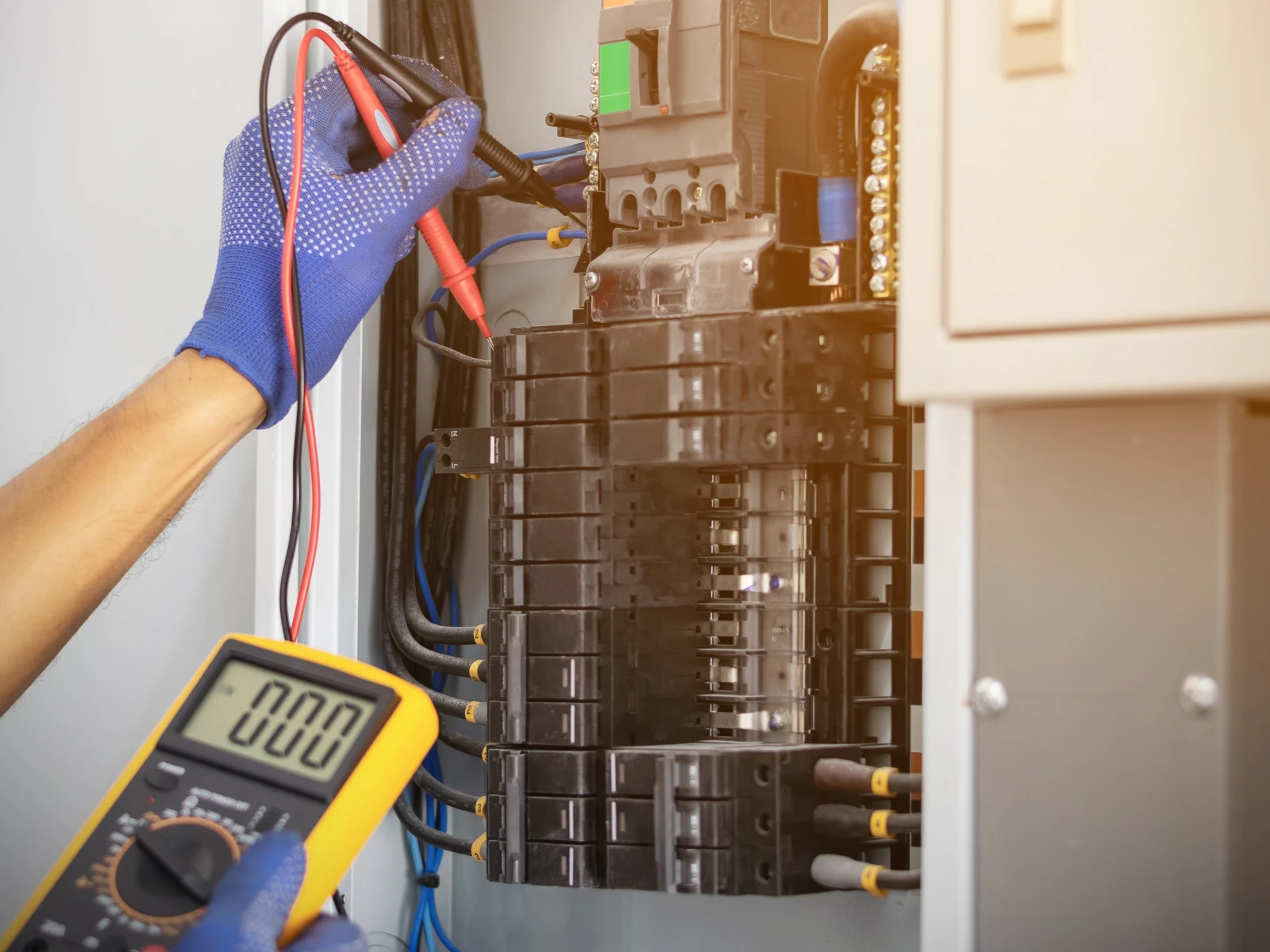
Worried plugging in your new EV will plunge your home into darkness? Find out if your electrical panel can handle the extra load, learn how to calculate your home's capacity step-by-step, and understand why a 200-amp service upgrade is required.
READ MOREHOME EV CHARGER INSTALLATION: WHAT TWIN CITIES HOMEOWNERS ACTUALLY NEED TO KNOW
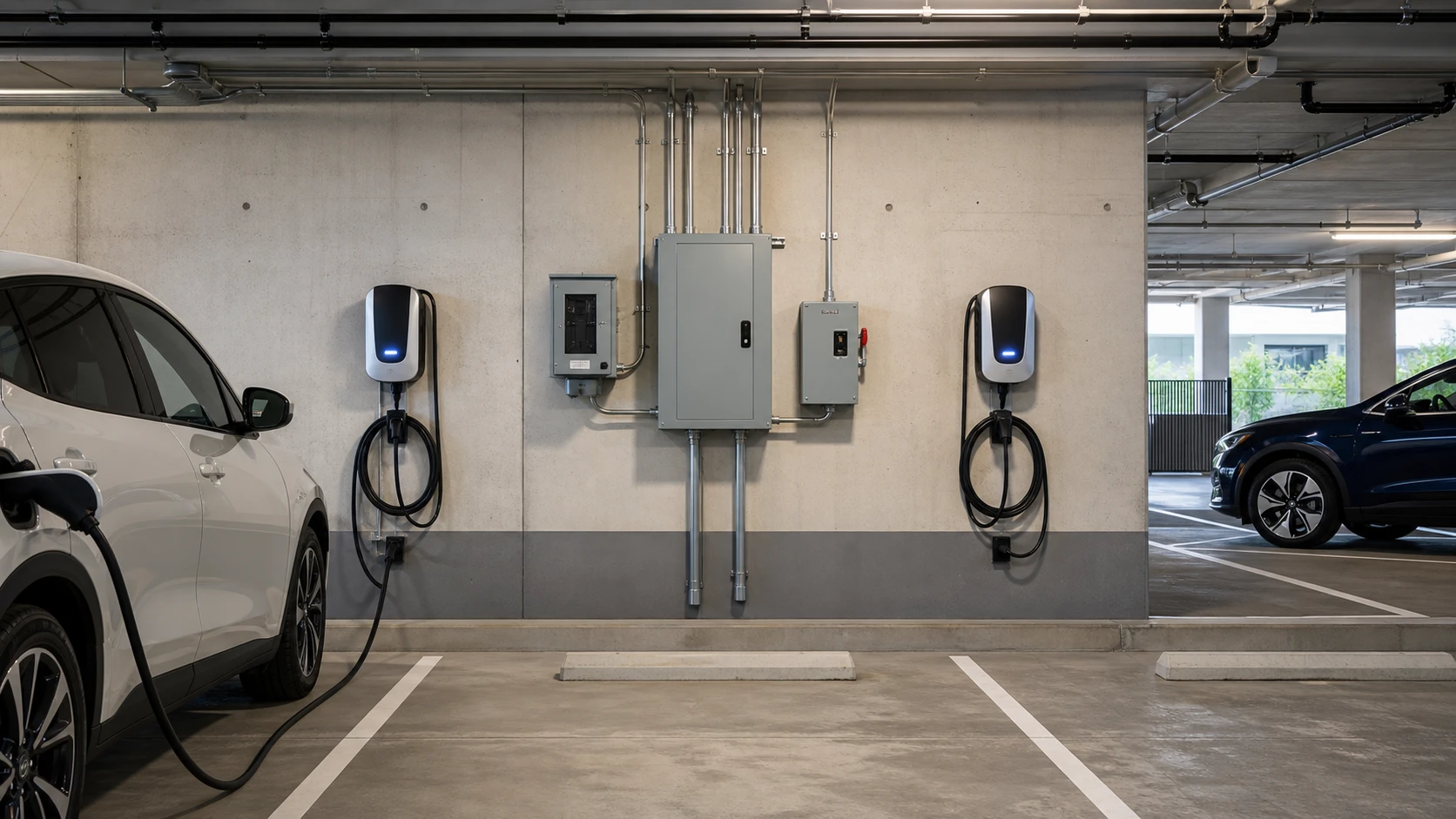
Tired of waiting ages to charge your EV during freezing winters? Discover why a Level 2 home charger is essential, learn about crucial garage infrastructure like panels and hardwiring, and find local rebates to offset installation costs.
READ MOREWHY ARE MY LIGHTS FLICKERING? CAUSES, DANGERS, AND FIXES FOR MINNESOTA & WISCONSIN HOMES
Flickering lights aren't just a nuisance — they're often an early sign of electrical issues. Learn what causes light flicker in Minnesota and Wisconsin homes, from loose bulbs to wiring or panel problems, and when to call a licensed electrician.
READ MOREPANEL UPGRADES: WHEN YOUR HOME IS ASKING FOR MORE POWER
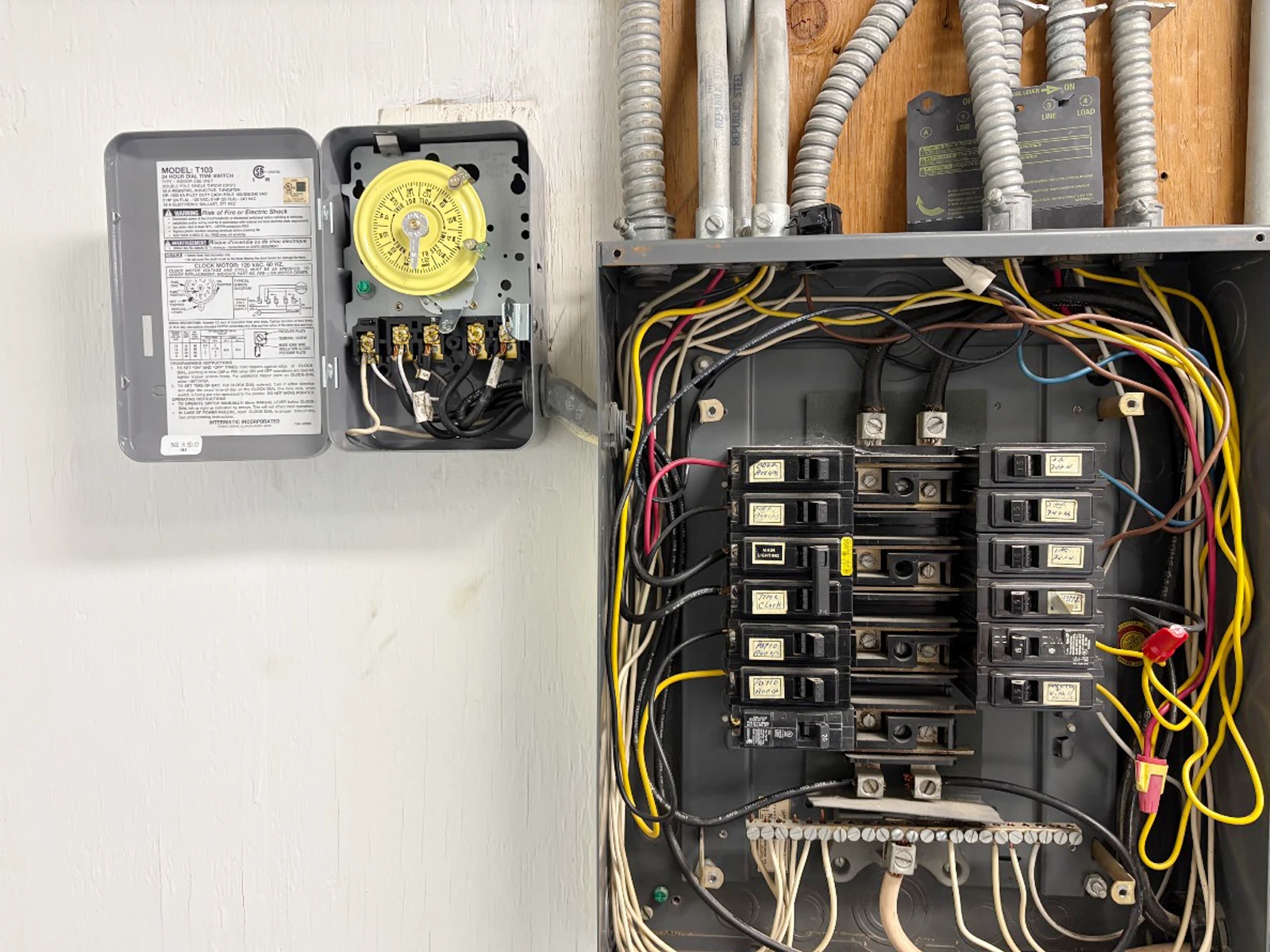
Older panels weren't built for modern loads — EVs, heat pumps, induction ranges, hot tubs. We'll walk through how to spot the signs your panel is at its limit and what a clean, code-compliant upgrade looks like.
READ MOREEV CHARGER INSTALLATION AT HOME: WHAT YOU ACTUALLY NEED
Level 2 charging changes how you live with an electric vehicle. Here's the real-world breakdown of circuits, panels, permits, and pricing for installing a home EV charger in the Twin Cities metro.
READ MOREELECTRICAL SAFETY CHECKLIST EVERY MN HOMEOWNER SHOULD KNOW
Outdated outlets, missing GFCIs, scorched switches — small things that quietly become big problems. Use this homeowner-friendly checklist to spot what needs attention before it turns into an emergency call.
READ MORESMART HOME WIRING: WHAT TO PLAN BEFORE THE DRYWALL GOES UP
A little planning during a remodel saves a lot of patching later. Here's what to wire for — from smart switches to networked lighting — so your home is ready for whatever you add next.
READ MOREHOME REWIRING IN MINNESOTA & WESTERN WISCONSIN: WHAT HOMEOWNERS NEED TO KNOW
Step into an older home in Stillwater, Baldwin, or Marine on St. Croix, and you can feel the history the moment you walk through the door. The original hardwood floors creak in familiar places, the trim work has character you just can’t find in new construction, and the wide front porch invites you to sit and watch the neighborhood go by. These homes carry stories — families raised, holidays celebrated, and generations of life lived within their walls.
READ MOREELECTRICAL PANEL RECALLS & REPLACEMENTS: WHAT MINNESOTA HOMEOWNERS NEED TO KNOW
Most homeowners never think about their electrical panel until something goes wrong. But the truth is, millions of panels in homes across Minnesota and the U.S. are recalled, obsolete, or flat-out unsafe — and many have been linked to electrical fires or insurance claim denials.
READ MORE